
As we enter June 2026, it is no surprise to many of our loyal patrons that many of our crops and overall availability will look different this year. Mother Nature packed a pretty solid one-two punch for much of the Eastern United States in late April. Nearly the entire region experienced a sustained window of record breaking high temperatures, with many weather stations reporting above 90 degrees fahrenheit. The sustained stretch of warm weather was then shattered by a dramatic temperature drop of 40 to 50 degrees, with nighttime lows plunging into the 20s. This whiplash pushed nearly all fruit varieties to rapidly blossom only to have entire crops destroyed by destructively low temperatures.
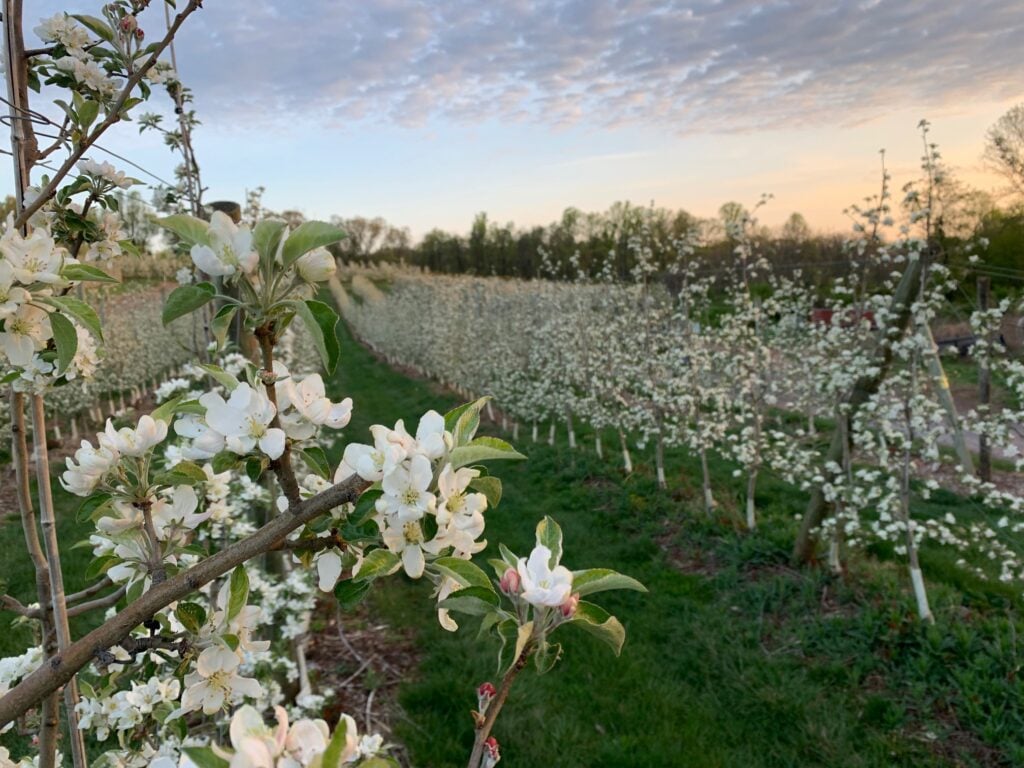
It can be difficult to comprehend this type of damage because the event is so brief and visually, the destruction is rather unremarkable for most. The successive deep freezes happened while most of us were asleep, and we all know that in Southeastern PA, the rule for planting is to wait until Mother’s Day to avoid any late season frosts.
What so many people get wrong in their comprehension of the impact of the 2026 April weather pattern is that the surge of temperatures in both directions threw plants into dangerous territory. The unseasonably hot weather forced nearly all tree fruits into a coordinated early blossom event. Rather than the gradual rollout of fruit species and varieties coming into bloom over a few weeks, all species and varieties were at near peak blossom for all growers across the Eastern Seaboard from Georgia to Maine.
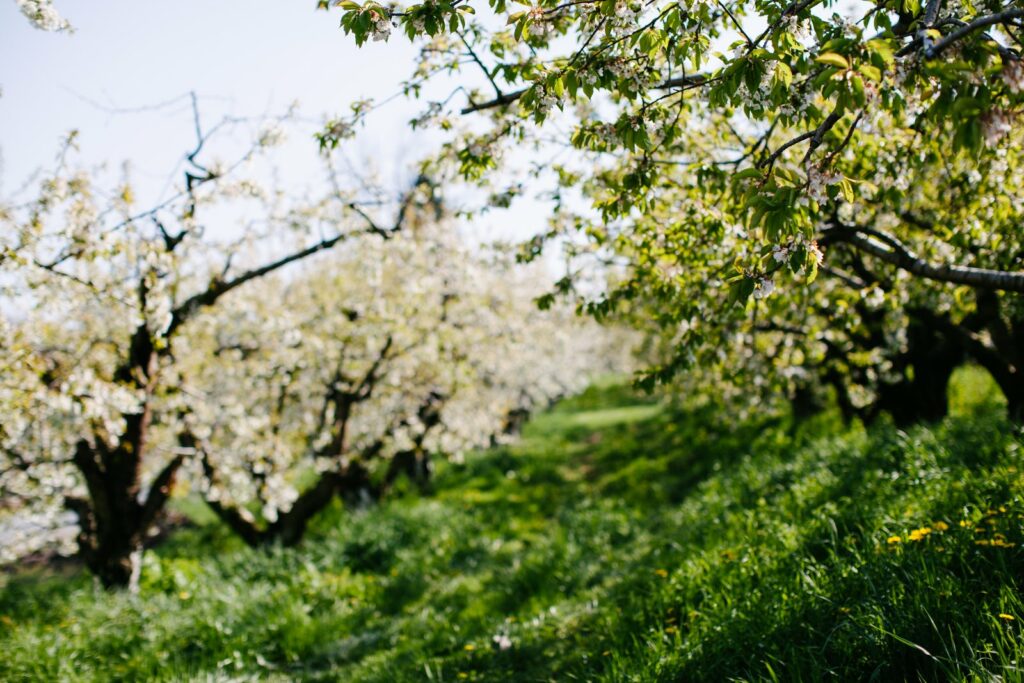
Then came the shock: temperatures dropped sharply, and a hard freeze set in—not just a light frost. A freeze like this is not as visually destructive as a hurricane, flood, blizzard or wildfire; we simply went from wearing shorts and a t-shirt back to our winter coats in a matter of a few days. However, a mere 30 minutes of temperatures in the 20s can devastate roughly 10% of a crop. Since temperatures lingered in the low 20s for much longer than that, the orchard suffered a near total loss of certain crops for the 2026 growing season. The trees themselves will continue to bear fruit in future years, but we’ve had to make some adjustments for the current season.
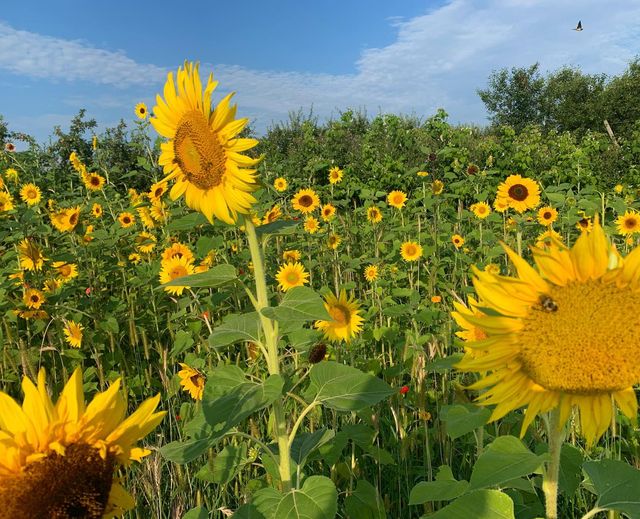
So while the start to this growing season has been trying and unpredictable, our production team has found many ways to innovate. New PYO flower fields have been established and promise something equally as stunning to bring home from your visit to the Orchard. PYO veggies are a great way to get children involved in making meals and trying something new, and an expanded field of pumpkins and squash varieties will greet patrons in the Fall. While July will host its usual offerings of raspberries and blackberries, there’s a new fruit on the block that will be available starting in July through the fall: the Seascape Strawberry.
Maybe you remember the late June variety we’ve grown over the last few years called Malwina. This variety was a great addition to the June lineup since it was a late season variety, and we grew it across the road by where we would transition PYO operations for Cherry and Raspberry picking. Seascape is similar to Malwina in a few ways, but also offers a few new distinct advantages for us.
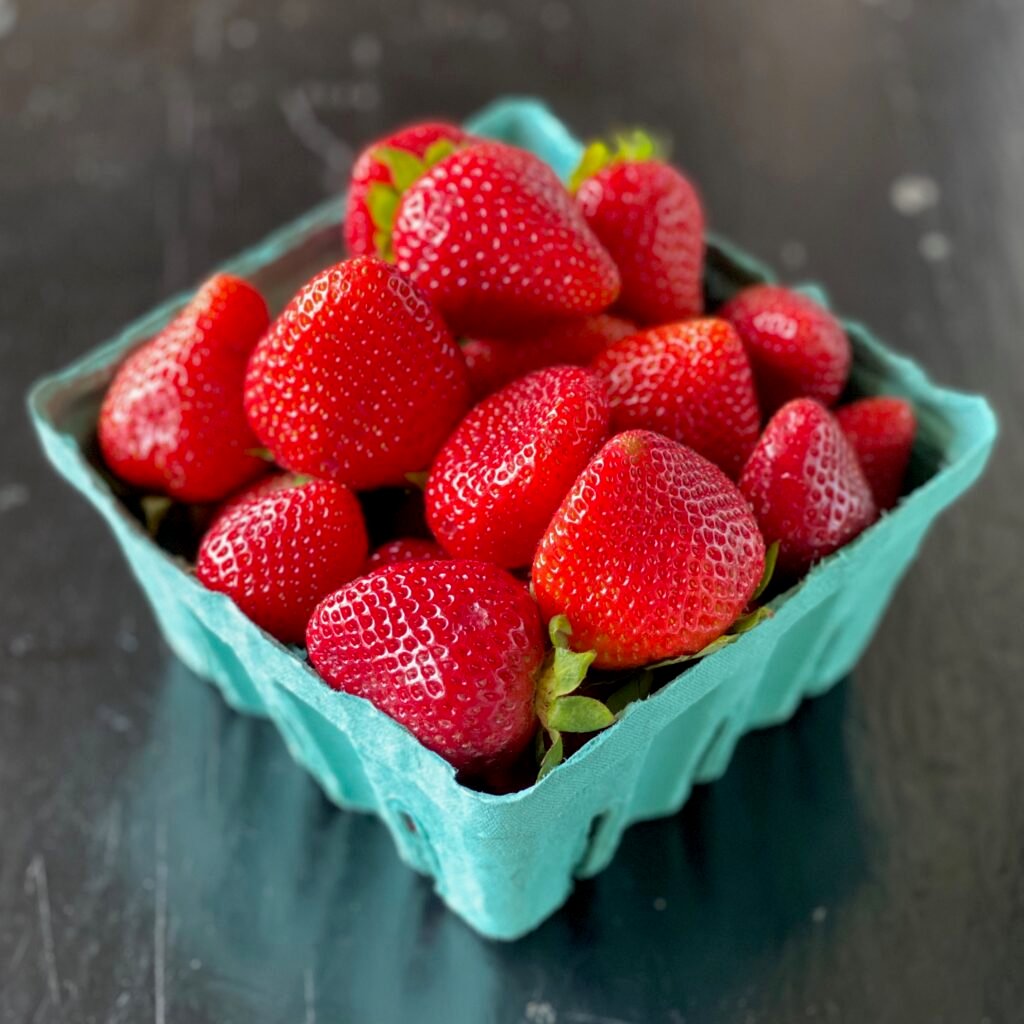
Seascape are considered everbearing, or day-neutral species. This means that the growing, flowering, and fruiting cycles are not dependent on the amount of light hours the plant experiences. Many of the early-season varieties harvested at the Orchard in May and June are not day-neutral strawberries. They flower and fruit under a specific window of daylight hours, and then as the daylight hours lengthen, the plants stop bearing and go into a recuperation and dormancy phase, thus ending the season. Seascape is a top selling variety because of its ability to crank out tons of delicious fruit over the course of a season. Some consider it the highest yielding and best tasting everbearing variety.
The easy-to-care for variety will produce loads of fruit from late spring through the fall. The production team at Weaver’s quickly pivoted to planting Seascape Strawberries after the frost event, knowing that there would be a gap in availability for PYO due to the loss of Cherries which often bridges the gap between strawberries and peaches and other stone fruit.
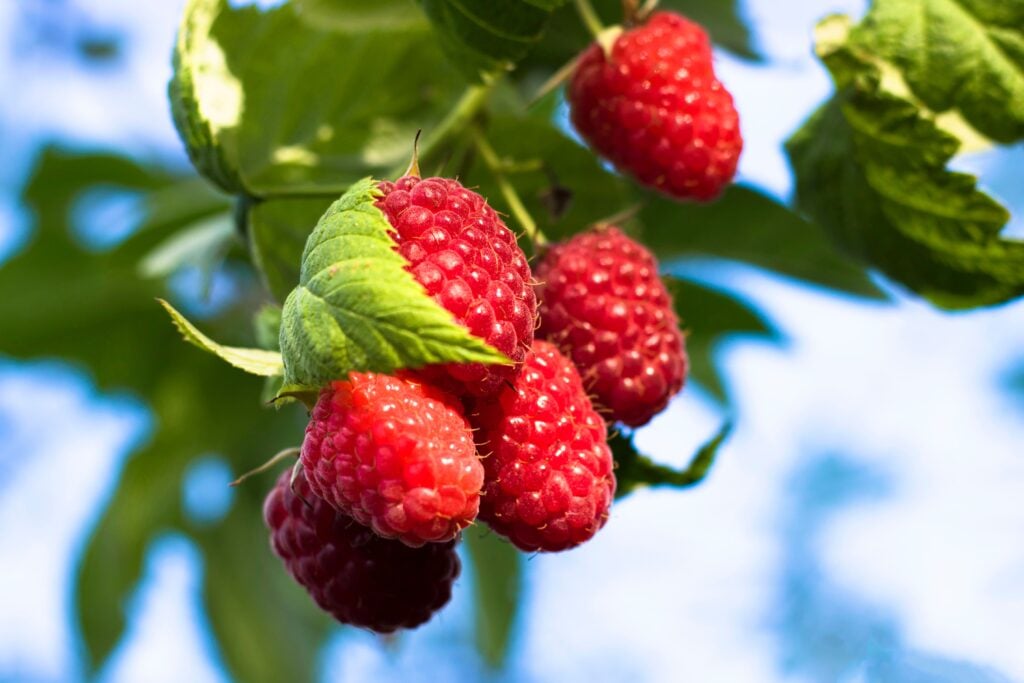
This variety was developed by a team at the University of California in the mid 1980’s and has been grown across the United States since it was first released. It has large, red berries that have a high Brix index reading which measures the amount of sugar in the fruit. With exceptional disease resistance and the day-neutral growing pattern, we are thrilled to have a healthy, vigorous, and dependable addition to the lineup for PYO customers this season.
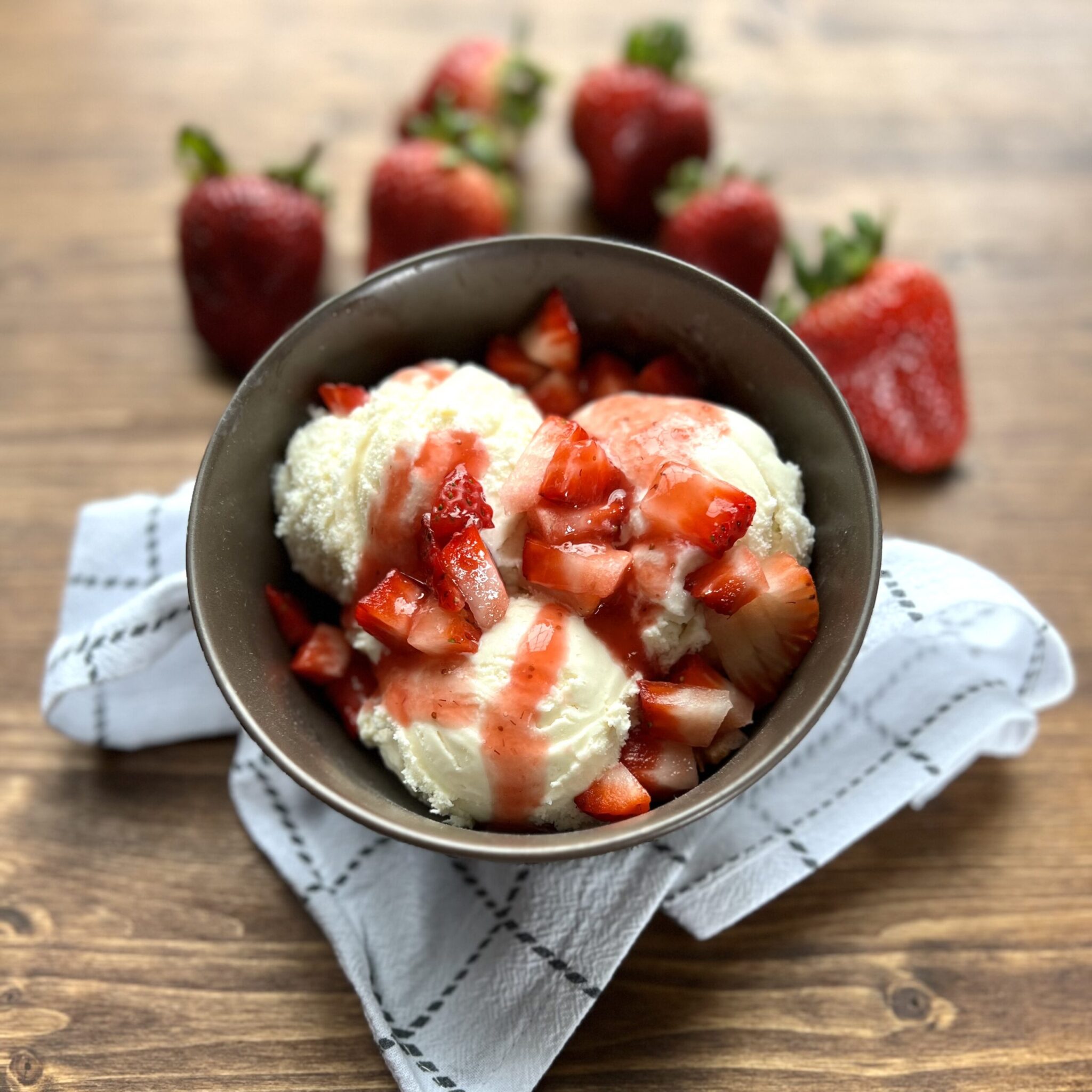
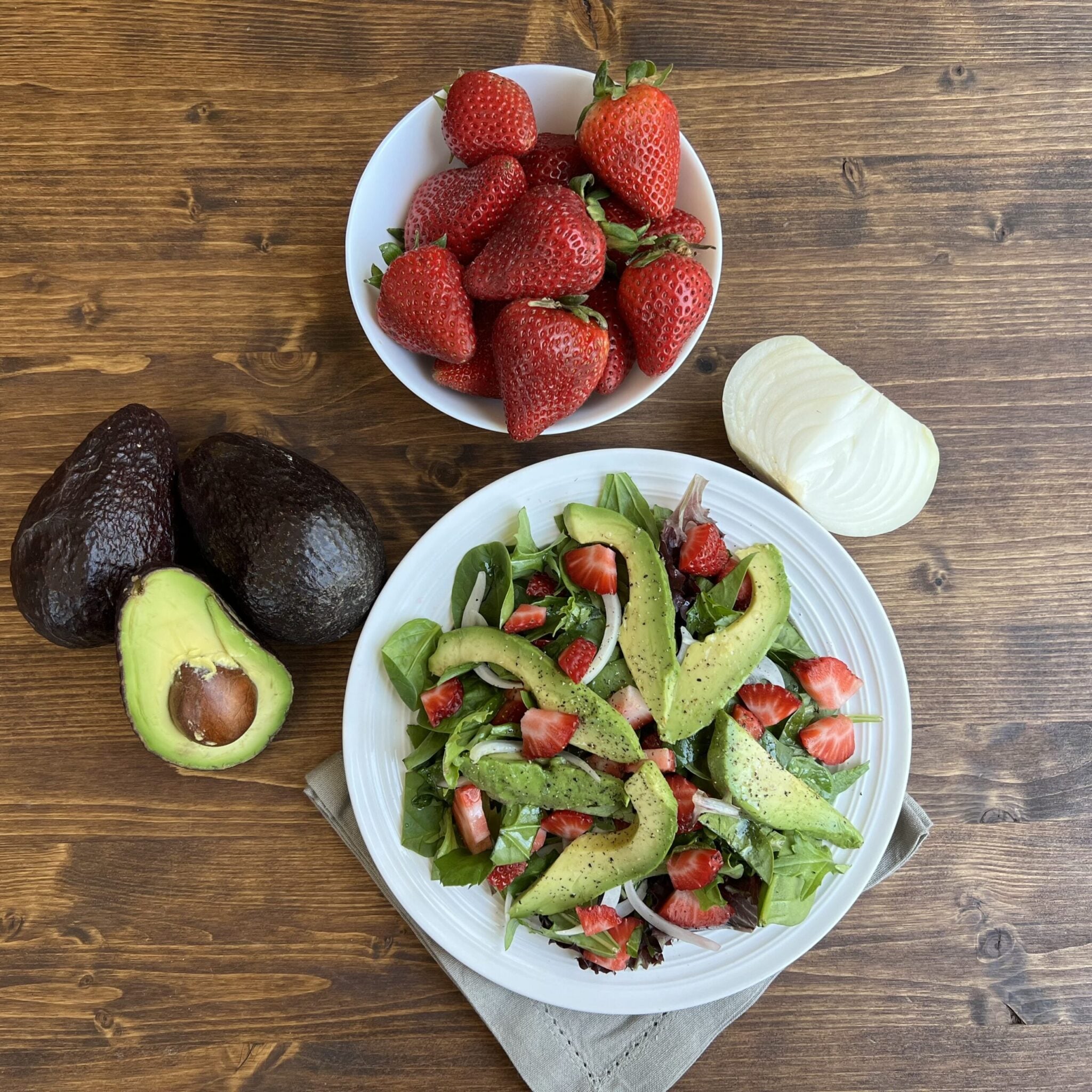
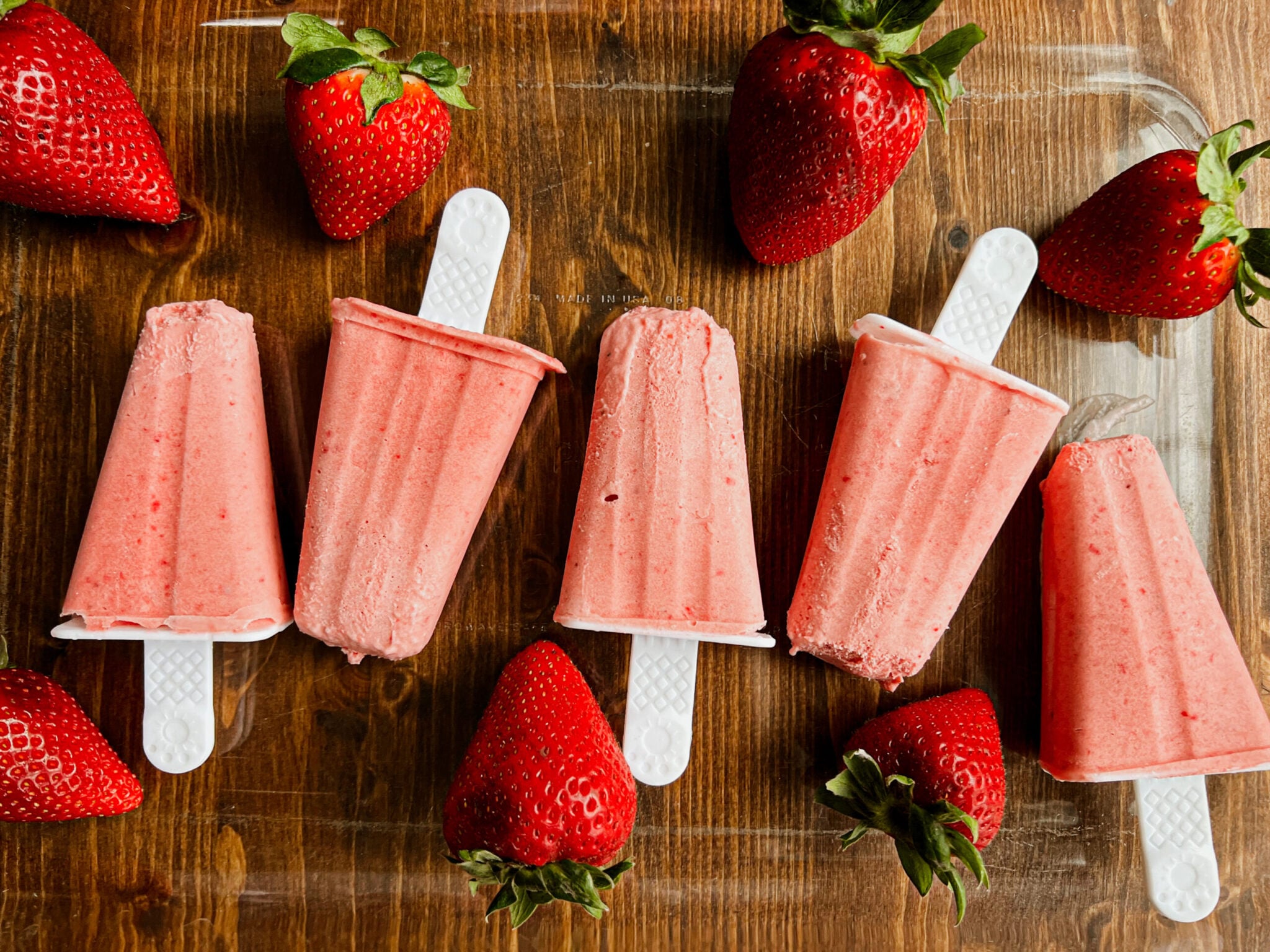
Check out some of our favorite Strawberry Recipes below for inspiration on what to do with your freshly-picked berries!
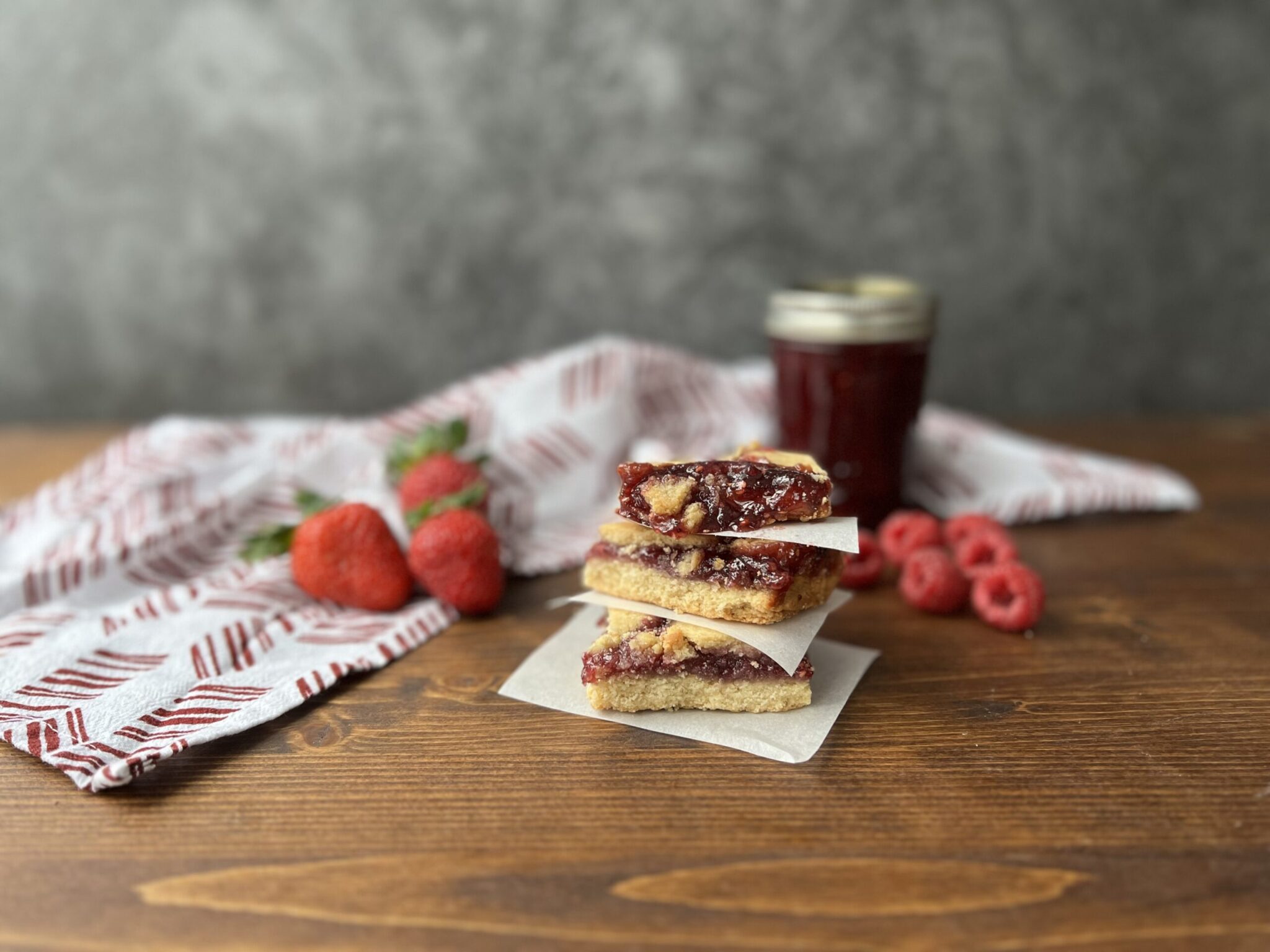
Triple Berry Jam Bars
These Triple Berry Jam Bars pair a buttery oat and almond flour crumble with sweet berry preserves for an easy, crowd-pleasing dessert that’s packed with berry flavor and just the right balance of sweetness.
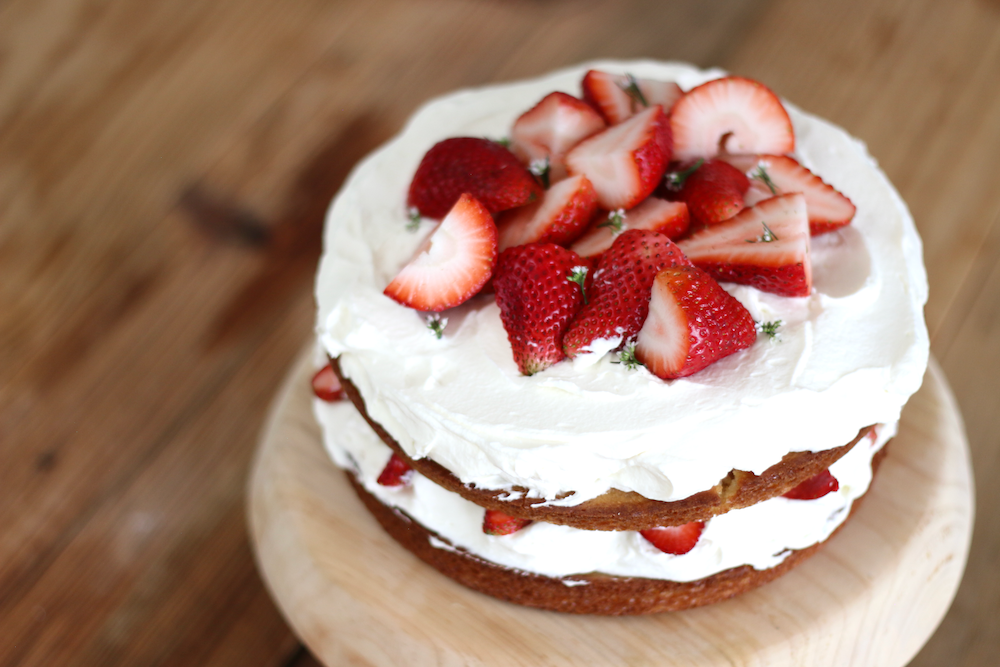
Strawberry Layer Cake
This Strawberry Layer Cake combines soft sponge layers, whipped mascarpone frosting, and sweet strawberry filling for a bright, classic springtime cake.